
LONDON & THE M25
Junk Removal
in Dalston.
We collect defined unwanted loads in Dalston, with household, business and outdoor materials identified separately. Tell us the occupier, rooms and entrance involved so the carrying and collection price reflect your actual premises.
- Carrying and loading included
- A clear quote before work begins
- Licensed and insured waste carrier
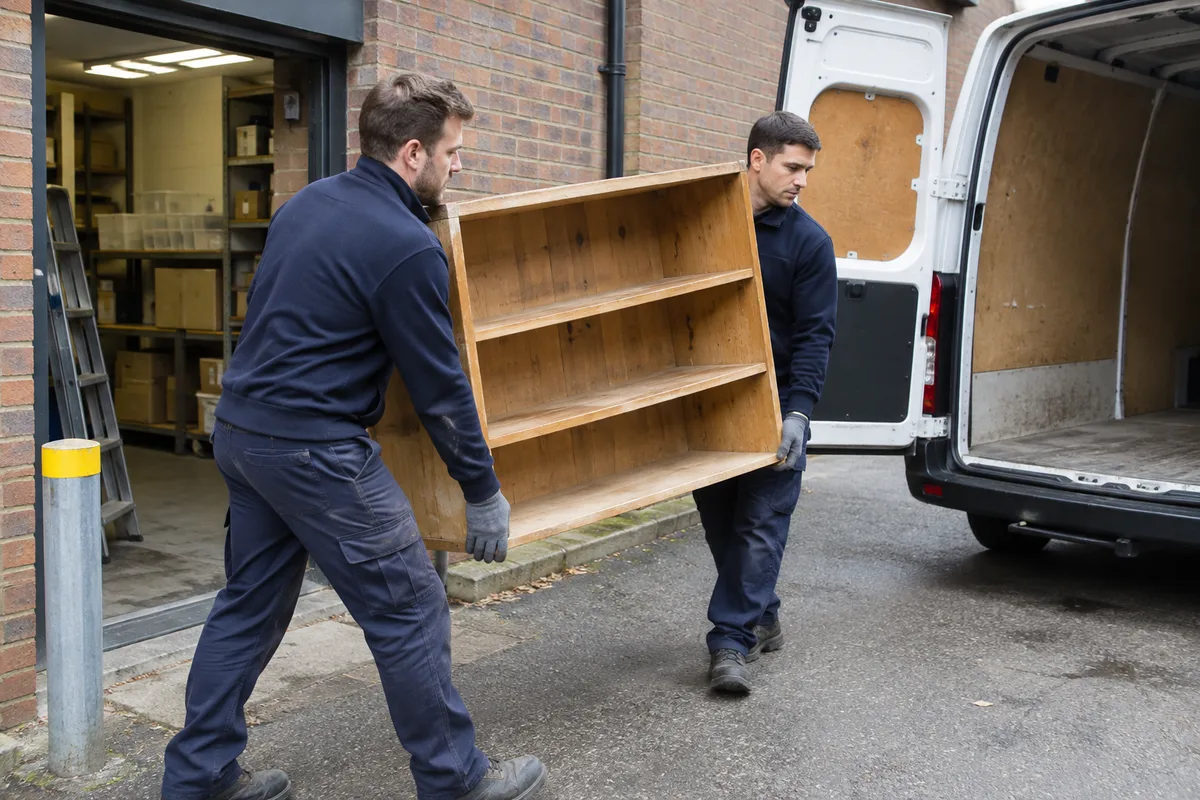
COVERAGE & CONTENTS
Dalston coverage and material groups
We discuss Dalston collections from the complete postcode and actual premises information. The marker identifies the locality, not a local office or loading permission. Tell us the occupier, entrance and material groups for your enquiry.
Nearby collection areas: Highbury · Stoke Newington · Hackney
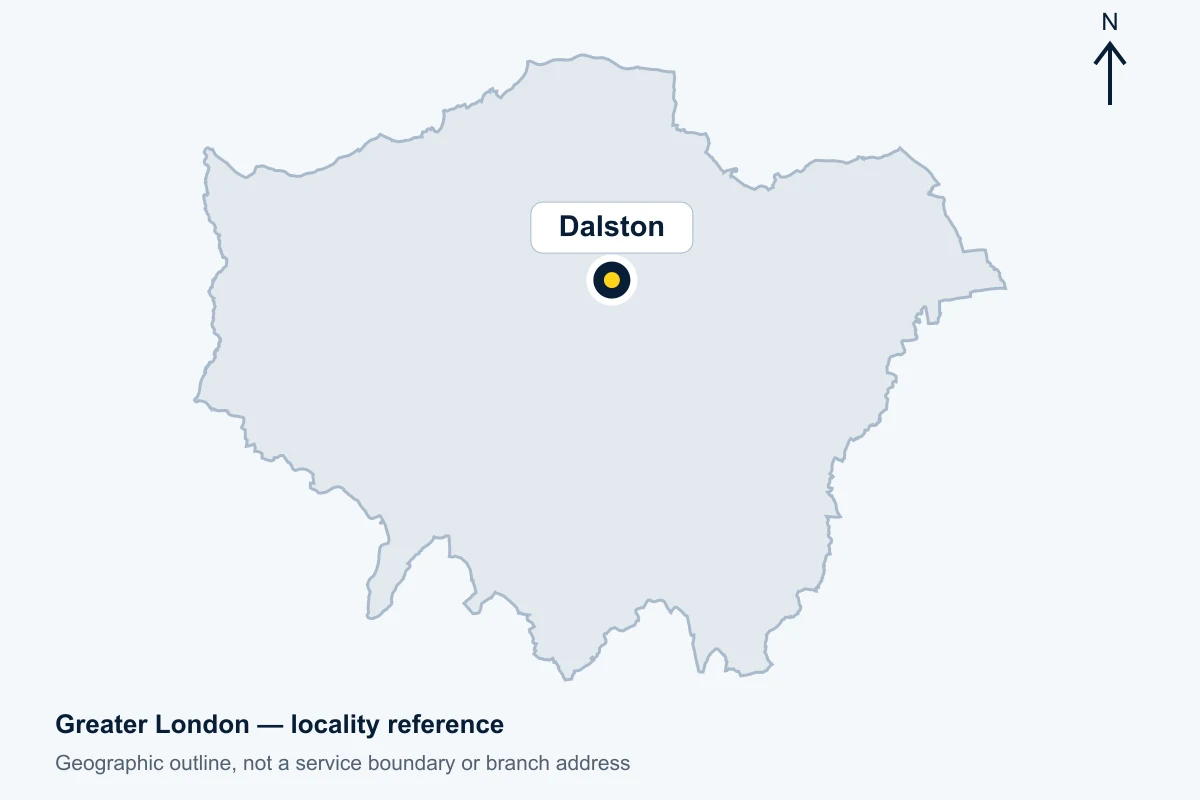
Greater London reference outline: GLA / OS Open Data (OGL). Location: GeoNames UK gazetteer. This is an orientation map, not a service boundary or branch address.
Kingsland High Street context makes the occupier important
Hackney Council identifies Dalston’s town-centre shopping along Kingsland High Street. For our collection enquiry, that verified context is a reason to establish the actual premises rather than assume one type of load. A public shopfront can be distinct from the entrance serving rooms above or storage behind it. Give the full postcode and tell us which occupier’s contents are leaving. If the address contains more than one home or business, their belongings do not become one removal list automatically. We need authority for each proposed group and someone able to confirm it at the visit. Describe the actual door, gate or managed entry serving the load. We do not invent a shared access arrangement from the street name or treat a town-centre address as unlimited permission to remove every object within the building.
Home contents
Business waste
Outdoor materials
- Identify the occupier authorising each material group
- Separate equipment from the boxes containing it
- Describe displays as freestanding or attached
- List household storage contents independently of the units
- Explain the actual entrance and loading arrangement

Business waste is described by the contents, not the trade label
For a Dalston commercial collection, tell us what the business has decided to release before describing the room as cleared. A freestanding display may be unwanted while the stock on it is retained. A redundant cabinet can still contain papers that staff need. Those decisions belong beside the furniture list, with a person able to confirm them on site. We ask whether pieces are loose, attached or connected because collecting movable contents does not define a full strip-out. Photographs should show the proposed groups and written notes should identify closed cartons or hidden storage. If a business still operates from the premises, explain what remains in use. We can discuss a limited load without the team being expected to determine which customer property, stock or equipment the business intends to keep.
| Group | Useful description | Relevant enquiry |
|---|---|---|
| Workplace contents | Redundant furniture, displays and packaging | Office clearance |
| Household load | Selected furniture and loose belongings | Domestic clearance |
| Electrical equipment | Named devices and connection status | Electrical waste |
| Outdoor or renovation waste | Green and dense material separately | Garden or builders clearance |
Electrical items and information-security needs stay explicit
A Dalston equipment group needs an inventory beyond the packaging around it. List devices and appliances through the electrical waste enquiry, naming quantities and current position. If a device contains business information, raise the required security handling independently of furniture collection; general removal is not a certified data-destruction arrangement. A fitted appliance also needs its connection and installation condition explained rather than be treated as a loose object ready to lift. We discuss the proposed work before accepting it into the load. Empty cartons can be estimated as another group alongside equipment, but their appearance should not conceal what is inside other boxes. Tell us about devices added during preparation so acceptance, relevant item charges and the complete collection scope can be reviewed before loading.


Homes and flats can contribute a selected removal list
For a Dalston flat enquiry, the most useful list identifies furniture leaving, loose material leaving and belongings remaining. A room can contain all three. Explain whether a cupboard stays while selected clutter is collected, or whether it leaves after its retained contents have been removed. Where a tenant, landlord or relative owns different pieces, settle those distinctions before booking. A keyholder should be able to confirm the agreed groups rather than leave personal decisions to the team. Add contents behind a visible stack or in another room if they are included. Keep documents, keys and everyday belongings separate from waste. We discuss removal of the items released by the household, without treating access to the flat as an unlimited instruction to clear every storage space opened during the visit.
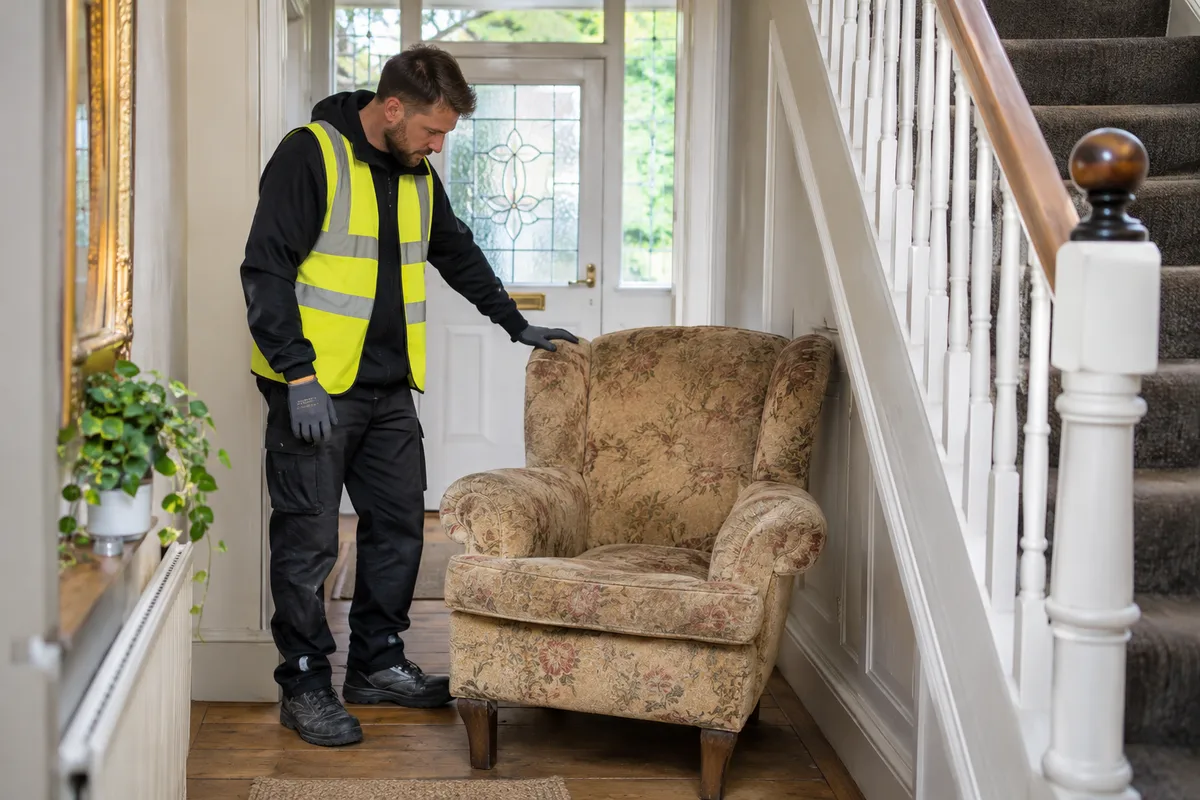
Bulky furniture is matched to its internal route
Dalston bulky furniture should be described from its current position to its exit. Tell us the item type and approximate dimensions, then the door, landing or hallway turn that may constrain it. If it is already separated, include all components in the enquiry. If dismantling is still needed, raise that work before the visit. Fixed storage requires its attachment explained separately from a freestanding unit. Give the floor and the intended stair or lift arrangement for the actual pieces, rather than assume a building’s lift settles every route question. Mattresses are counted as named items beside frames. Pictures of the limiting point help alongside object photographs. We discuss the carrying task for the whole set of furniture, not only the easiest item visible near an entrance.
| Decision | What to explain | Reason |
|---|---|---|
| Authority | Who releases each load | Another occupier’s property is not assumed waste |
| Entrance | Actual door or gate for each group | Frontage may not be the route |
| Retained contents | Stock, documents or household possessions | Scope remains selective |
| Loading | Proposed position and current restrictions | Practical collection arrangement |
Outdoor and refurbishment groups reveal different material requirements
For Dalston waste following work outdoors or inside the premises, we need substances and positions as well as the approximate amount. A garden group can include cuttings beside paving or old timber; name each part instead of classify the pile by its location. A renovation group should distinguish rubble, plasterboard, wood and packaging, with sack contents explained. Describe anything concealed underneath the photographed surface. Tell us whether different groups use different doors, gates or carrying routes. A shed’s loose contents do not silently extend to dismantling its structure. Unfamiliar containers need identifying before collection is agreed. We discuss the load actually proposed and its removal, while excavation, gardening, demolition or other property work requires its own scope rather than an assumption based on how material accumulated.

An illustrative backroom collection with a separately occupied flat
Imagine a Dalston business removing redundant display shelves and packaging while an upstairs resident has an unwanted table and boxes. This is an illustrative enquiry, not a completed local job. We would separate the business and household lists, establish who authorises each and ask about the entrances. The shelves’ attachment and packaging contents would be clear, as would the table’s assembly and route out. A shared address would not settle the loading position or give authority over another occupier’s belongings. If a monitor is added, its name and any security requirement need discussion. If dense refurbishment material appears behind the packaging, it becomes another identified group before inclusion. We would discuss the complete quote and carrying so a combined enquiry stays practical without turning into unlimited removal from every room at the address.
From Dalston enquiry to removal
01
Confirm the occupier
Identify the premises and authority for removal.
02
Name the materials
Separate furniture, loose contents and equipment.
03
Agree the practical visit
Discuss entrance, loading, quote and availability.
04
Remove the load
We carry and take away the agreed waste.
| Stage | Information needed | Outcome |
|---|---|---|
| Inventory | All significant materials and quantity | Defined load |
| Quote | Access, supplements and extra work | Complete price |
| Visit | Confirmed list and actual route | Carry and load agreed contents |
| Handling | Materials collected | Responsible onward treatment |
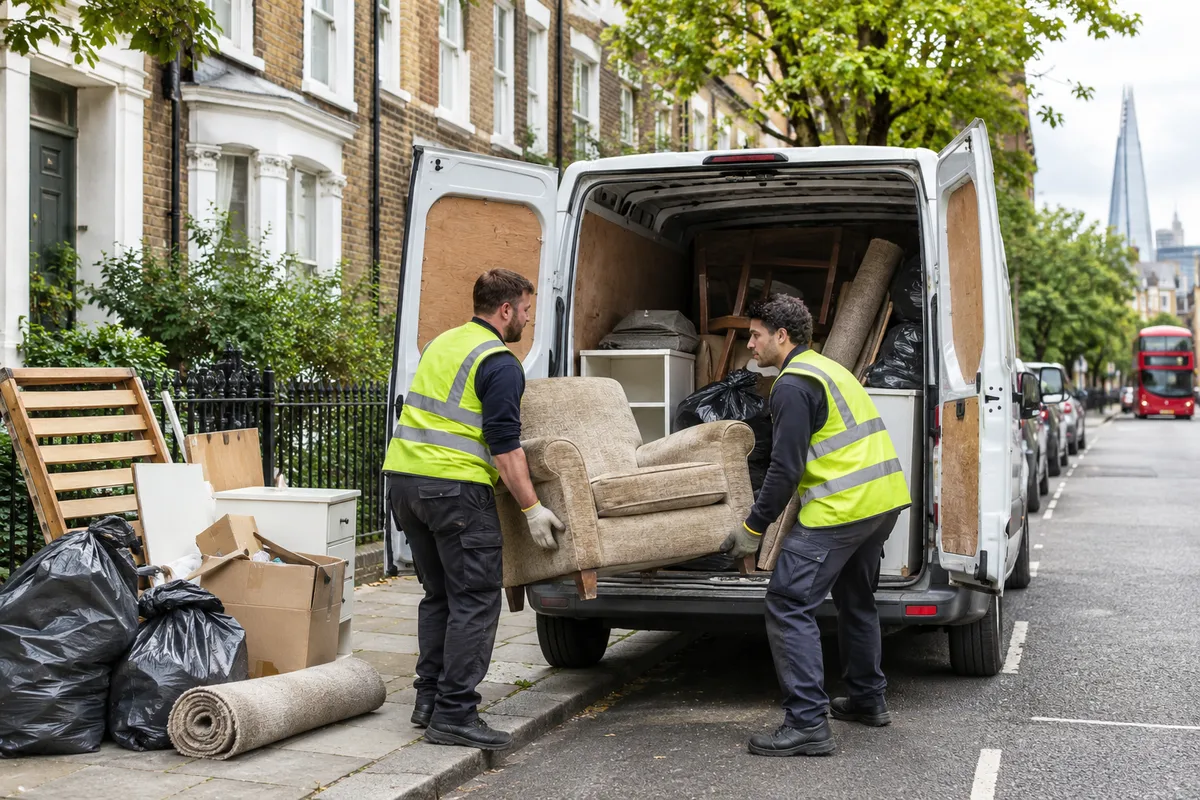
Address-specific loading and a complete price before removal
The Dalston quote brings the authorised contents and practical loading arrangement together. Hackney’s guidance identifies loading restrictions through kerb markings and signage, so tell us the position proposed rather than assume the closest gap is available. Include any private gate contact and the route from the material. The collection guide explains charging bands; quantity, materials, relevant item additions and extra work describe your full enquiry. Report changes before the visit where possible, with availability confirmed directly. We take the agreed load away for responsible treatment and suitable reuse or recycling opportunities. Outcomes depend on condition and composition, so no universal reuse promise or invented recovery percentage is attached. Keep any cleaning, repairs or alterations distinct from the contents removal when describing further work required at the premises.
See the current collection price guide, then confirm your complete quote with us. No separate Dalston tariff is implied.
More London coverage near Dalston
For London and M25 collection enquiries, see the coverage directory. We publish links only to available local pages. Give us your complete postcode to discuss the property; we do not use this map as a boundary or claim a local depot.
COLLECTION QUESTIONS
Dalston removal enquiries: questions answered
Does a Kingsland High Street address establish the collection entrance?
No. Give the actual door or gate serving the unwanted contents and the proposed loading point. A shopfront can differ from access to rooms above or behind it. We discuss your premises rather than infer the route from the street name.
Can a Dalston business and upstairs resident keep separate removal lists?
Yes. Explain who authorises each load and identify the contents and entrances independently. A shared postal address does not make another occupier’s belongings part of your collection. The combined scope and complete quote still need explicit agreement.
Should boxed equipment be counted as empty packaging?
Name the devices and quantity separately. A box can conceal a different material and handling requirement from cardboard alone. Raise information-security needs explicitly because ordinary collection is not certified data destruction. We discuss the actual equipment scope before inclusion.
Can a retained cabinet be emptied of selected unwanted contents?
State that the unit stays and describe the loose material with an approximate amount and significant contents. Keep retained documents and possessions outside the waste group. The list should distinguish storage emptying from removing the cabinet or clearing every object nearby.
Is attached shop shelving ordinary freestanding furniture?
Explain any attachment or connection before booking. Fixed fittings need a different work description from detached pieces ready to carry. We discuss additional requirements rather than assume ordinary loading includes a strip-out or electrical work.
What if rubble is discovered behind the proposed business load?
Update us with its material and approximate amount before the visit where possible. Dense debris should be described separately from furniture and packaging. We discuss acceptance, carrying and the revised full quote before treating it as part of the agreed collection.
All generated photographs on this page are illustrative service scenes. They do not document jobs in Dalston.
Discuss your Dalston collection
Call +44 20 3404 3985 with the collection postcode, item list and property details. We will discuss the scope, available arrangements and quote before work begins.
Services for your Dalston enquiry
Furniture disposal · Rubbish collection · House and flat clearance