
LONDON & THE M25
Junk Removal
in Highbury.
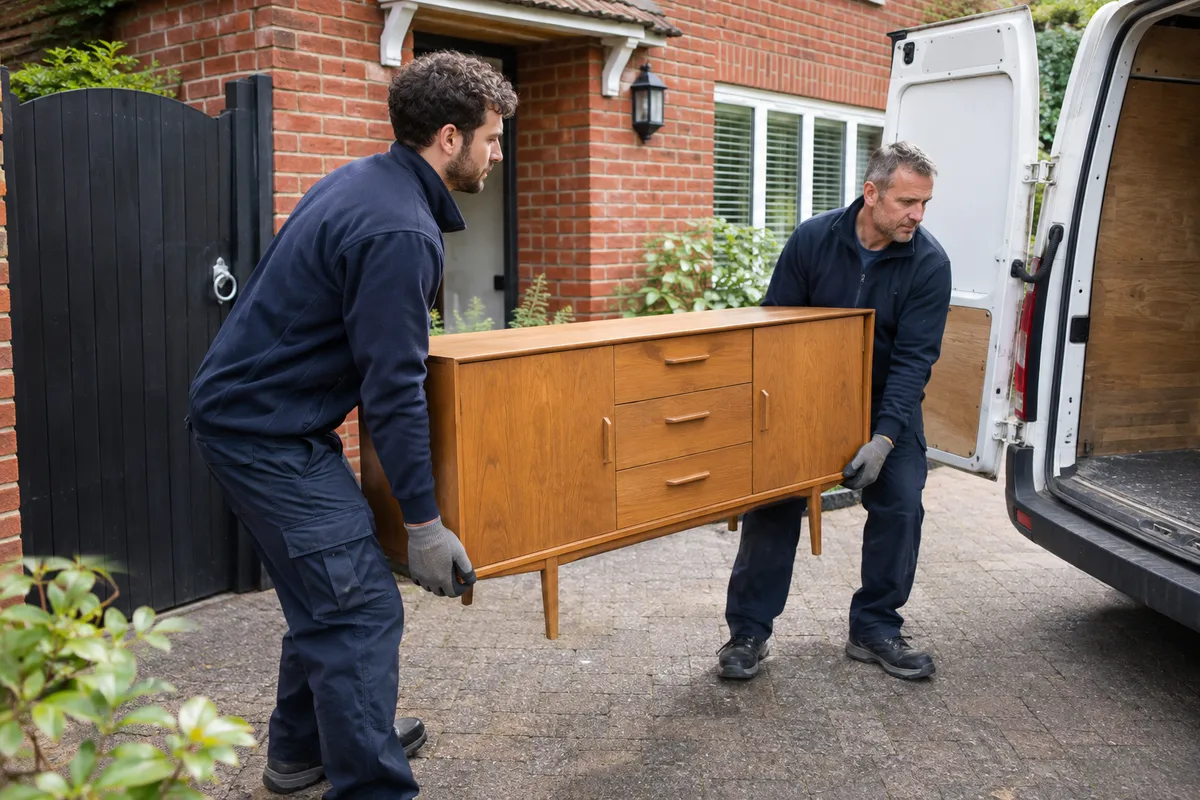
We arrange Highbury collections for unwanted household contents, bulky furniture and identified appliances. We discuss the items as separate material groups, including where they stand and any work needed before they can leave, rather than quote from the property type alone.
- Carrying and loading included
- A clear quote before work begins
- Licensed and insured waste carrier
COVERAGE & CONTENTS
Highbury coverage and material groups
Highbury is included in our London collection area. The map is a locality reference, not a company address. We arrange each visit using the collection postcode, entrance and actual materials, without assuming that one local housing description applies to every property.
Nearby collection areas: Islington · Finsbury Park · Dalston
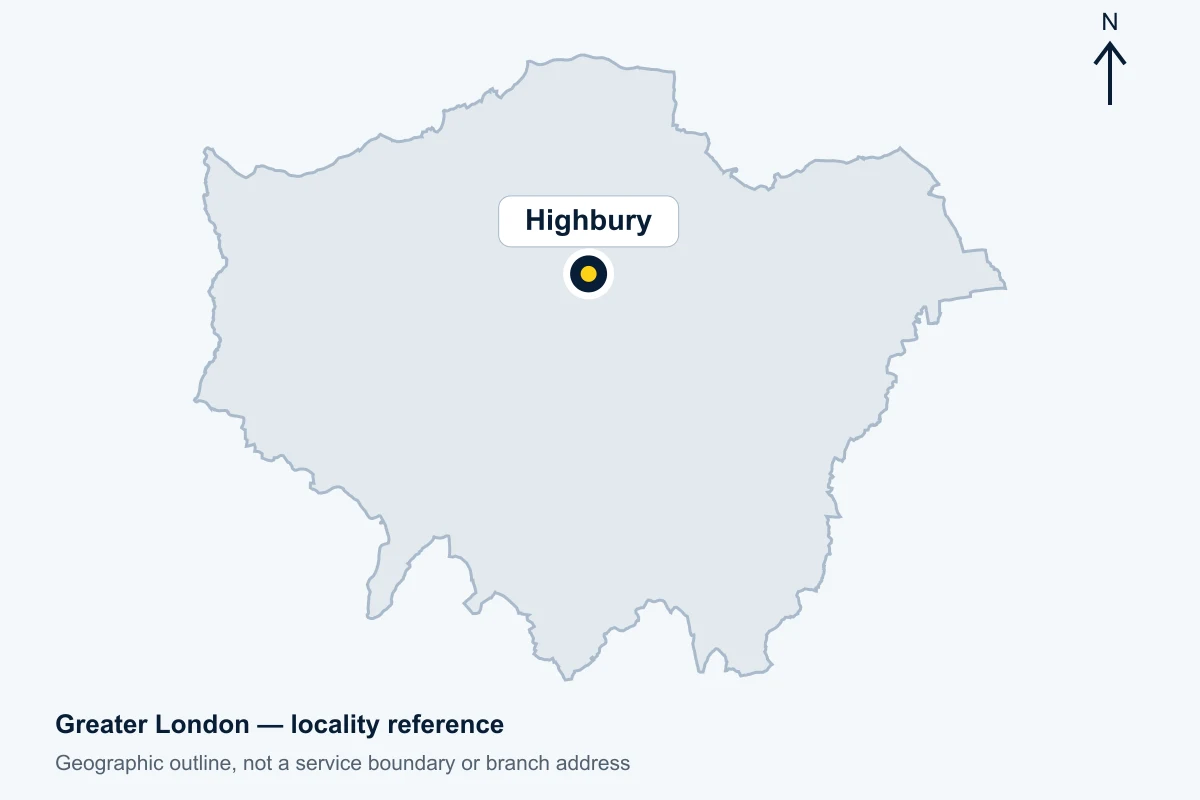
Greater London reference outline: GLA / OS Open Data (OGL). Location: GeoNames UK gazetteer. This is an orientation map, not a service boundary or branch address.
Local housing variety, one property-specific enquiry
Islington’s Highbury design guidance describes terraces around Highbury Fields and larger houses around Highbury New Park, with some modern flats in the latter area. We do not use those broad descriptions to assume the layout of your premises. Tell us whether the contents are in a house, flat or business space, with the actual entrance and floor. A large frontage does not establish driveway access, and a flat description does not tell us the carrying route. We connect the unwanted item list with the property information you provide. This lets a small selected collection be discussed clearly without treating the appearance, size or value of the building as a substitute for the amount of waste.
Home contents
Business waste
Outdoor materials
- Name each appliance and its installed or freestanding condition
- Describe furniture and loose belongings as separate groups
- Identify refurbishment debris by material
- Explain the route from each collection point to loading
- Raise attached fixtures or disconnection requirements in advance
Appliances should be named before the visit
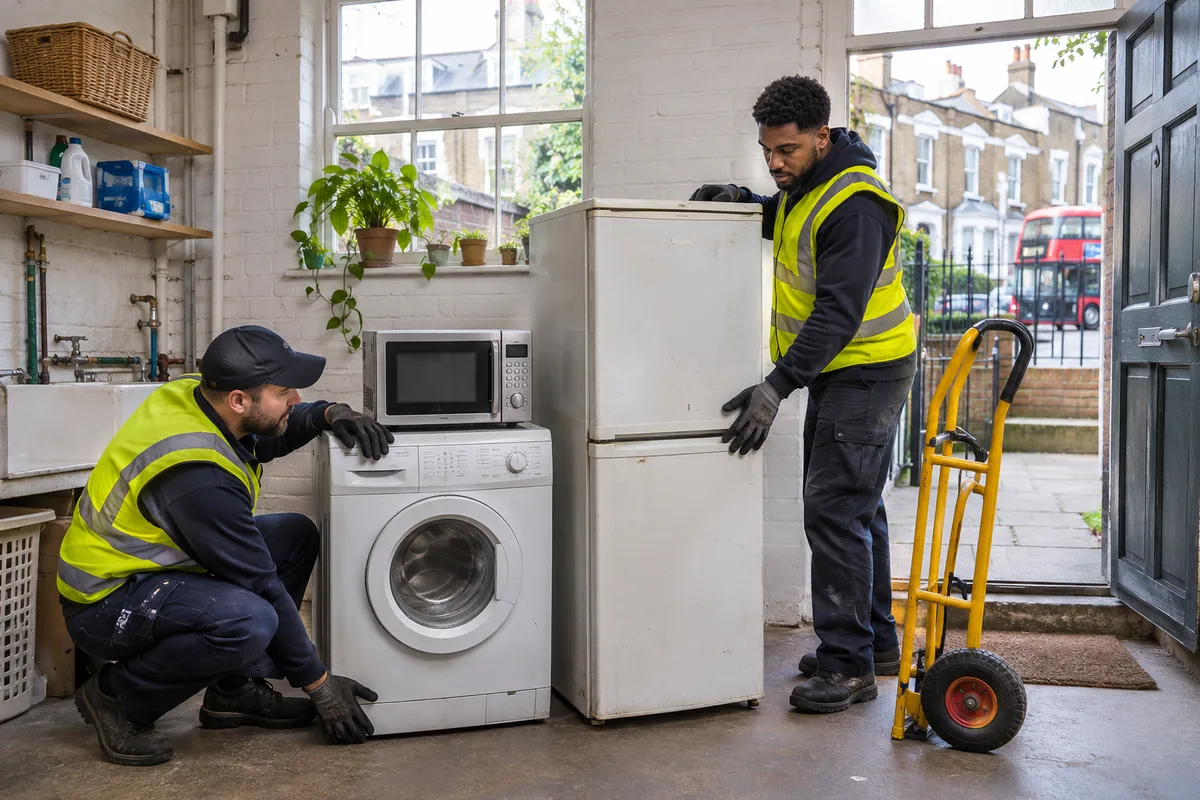
A refrigerator, washing machine and small electrical device are not interchangeable items in a mixed household load. Name each appliance or equipment type and explain where it is located. We also need to know whether it is freestanding, already removed from a fitted position or still connected. Carrying and loading are part of the agreed collection, but plumbing, electrical disconnection and alterations to fitted units must not be inferred from a request to take away an appliance. Raise any such requirement before the visit. We discuss the material and scope at the enquiry stage, rather than leave the team to discover that an apparently ready-to-remove item is still attached to other parts of the property.
| Contents | Information to provide | Collection relevance |
|---|---|---|
| Refrigerator or washing machine | Type, location and whether still connected | Material requirements and scope |
| Dining furniture or storage | Piece, dimensions and assembled condition | Bulky-item carrying route |
| Boxes of belongings | Main contents and approximate amount | Distinguishes loose material from furniture |
| Renovation leftovers | Timber, rubble and other debris separately | Avoids hiding dense waste within household bags |
Furniture and loose household contents remain distinct
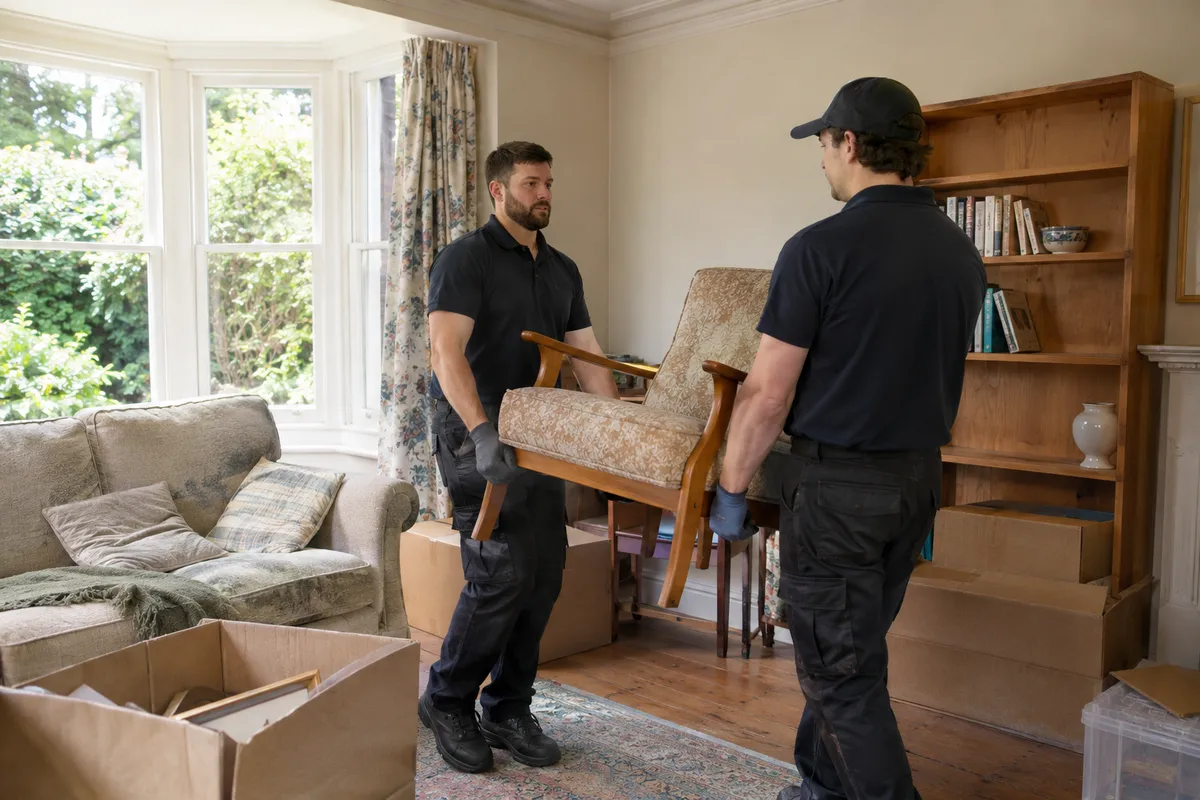
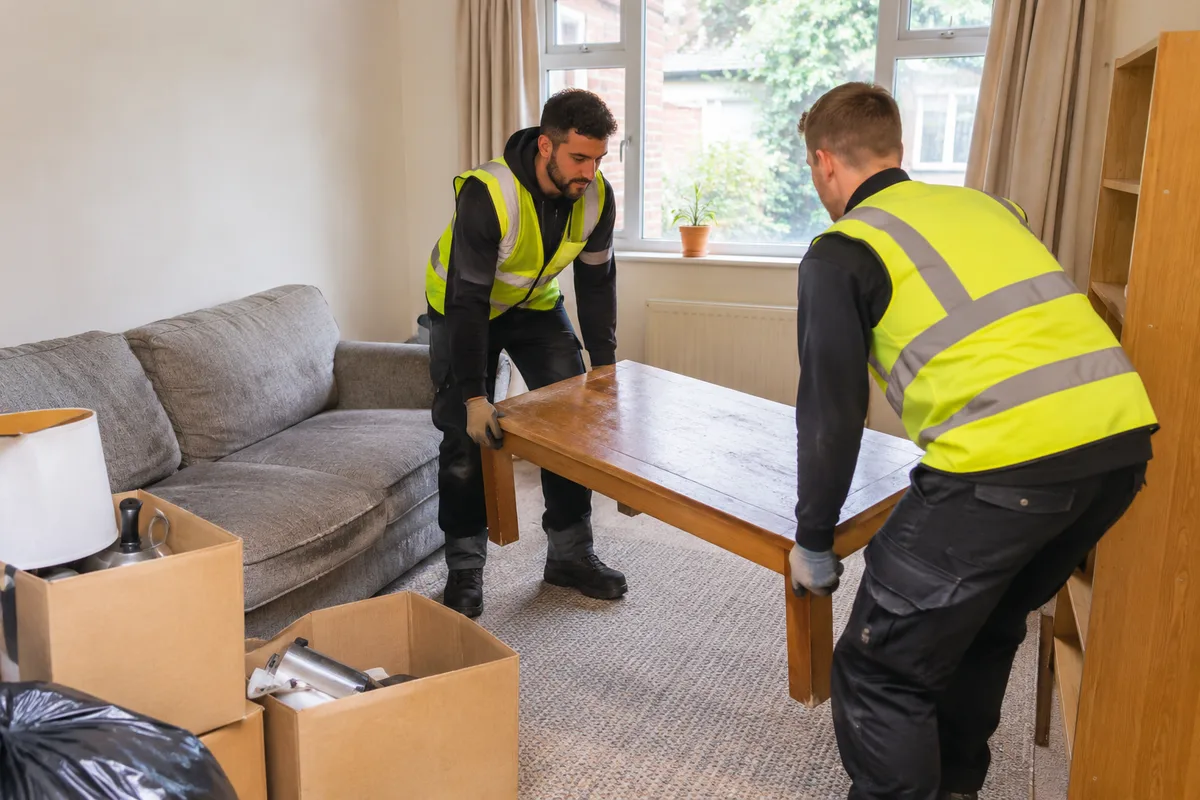
When furniture accompanies appliances, describe the bulky pieces separately from boxed belongings or bags of rubbish. Give the type, approximate size and assembled condition of a table, cabinet or upholstered item. If a storage unit still contains unwanted belongings, identify those contents as another group. We do not assume that collecting an empty cupboard and clearing one full of material involve the same load. Tell us also which pieces are staying in use. The removal list should allow the person meeting our team to confirm the agreed contents without relying on what happens to be beside the appliance or nearest to the exit. This keeps a partial household collection defined throughout the enquiry.
Loose refurbishment material versus attached fixtures
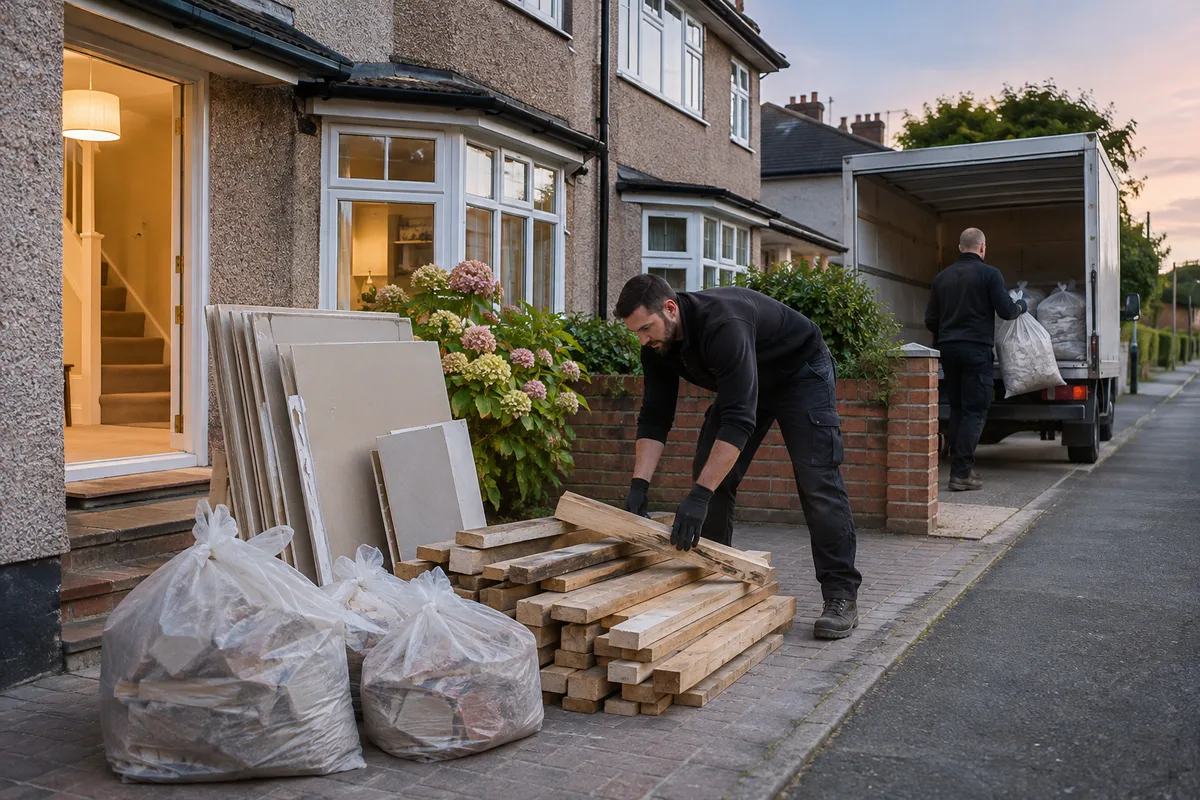
A household changeover can leave old furniture, appliances, packaging and renovation debris together. We separate those descriptions before discussing the complete collection. Identify timber, plasterboard, rubble or other building material by type and approximate amount. If an old unit or fitting remains attached, explain that rather than present it as a loose item waiting to be loaded. Additional dismantling or release work must be discussed explicitly, while unknown containers or potentially hazardous substances need their own acceptance check before booking. Our collection is arranged around the waste and work agreed; it should not be treated as an automatic promise of building alterations, installation work or an unrestricted strip-out.

The appliance route and the furniture route may differ
Tell us where each material group starts and how it reaches a possible loading point. A freestanding appliance in a utility space, a table in a living room and bags stored outdoors may use different doors or passages. We ask about steps, stairs, shared landings, gates and the available loading position so the work is not reduced to the size of the vehicle load alone. A bulky assembled piece may need more discussion than a photograph shows, particularly where a doorway or turn affects its route. If access changes before the appointment, let us know where possible. The agreed visit should reflect the route that will actually be available when the collection takes place.
| Condition or location | What to raise | What is clarified |
|---|---|---|
| Still connected | Disconnection or installation work needed | Collection does not define unrelated trade work |
| Inside fitted units | Any work needed to release the item | Additional scope must be agreed |
| Upper room or shared access | Floor, stairs, lift and doorway limitations | The actual carrying route |
| More items added | The complete revised list | The price follows the agreed load |
A possible household changeover in Highbury
Imagine a household replacing a refrigerator and dining furniture while removing boxes of unwanted kitchen belongings. This illustrates an enquiry rather than a completed Highbury job. We would name the refrigerator individually, establish whether it is ready for collection and list the table and chairs as furniture. The boxes would be described by their main contents, including any electrical pieces or dense material that should not be hidden within a general quantity estimate. We would then discuss where the groups stand and the route to loading. If attached units or building debris were added, that additional scope would need agreement rather than be assumed from the original appliance-and-furniture description.
Outdoor and business contents are discussed on their own terms
For garden material, distinguish green cuttings and branches from soil, paving, timber furniture and other outdoor waste. Give the location and any gate or route through the property so the carrying can be understood. A workplace enquiry likewise needs a clear list of desks, seating, storage and equipment, with retained contents kept outside the removal scope. Identify electronics separately from office furniture and raise any specialist information-security requirement explicitly. We do not assume that a domestic enquiry automatically covers a business store at the same address, or that ordinary office removal includes certified data destruction. The combined collection can be discussed once each part is identified and the practical access is clear.
From Highbury enquiry to removal
01
Name the appliances and furniture
Keep the different contents visible in the enquiry.
02
Describe their condition
Explain connections, fitted positions and assembled pieces.
03
Agree the route and price
Discuss carrying, loading and additional work.
04
Collect the agreed contents
We remove the specified load for responsible handling.
| Group | What we discuss | Service page |
|---|---|---|
| Appliances and electronics | Equipment individually identified | Electrical waste collection |
| Bulky furniture | Size, location and dismantling needs | Furniture disposal |
| Building material | Debris types and amount | Builders clearance |
| Household contents | Rooms and selected belongings | House and flat clearance |
A complete collection quote, followed by responsible handling
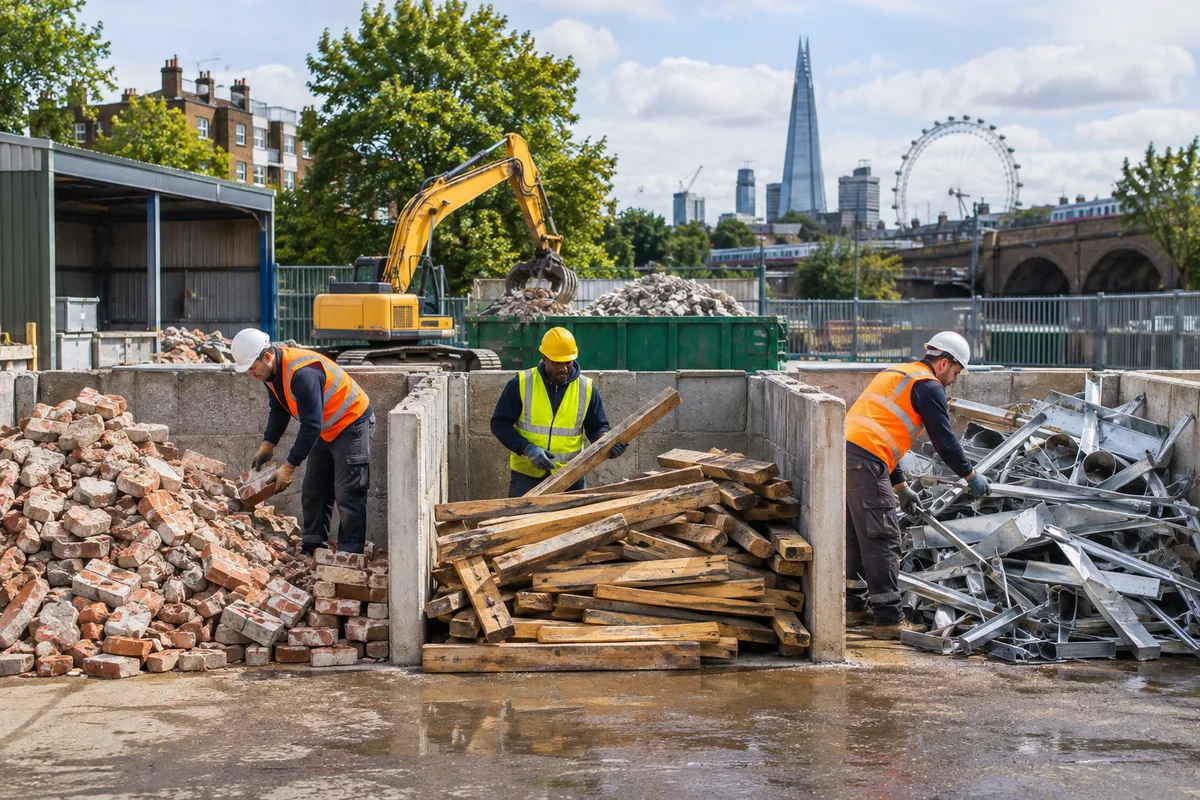
The current price guide provides starting bands and applicable supplements. We use the amount, material types, access and additional work in your enquiry to discuss the full quote, rather than invent a Highbury tariff or price by the building’s appearance. Appliances, mattresses and dense waste should be identified before the scope is agreed. Tell us about changes to the contents or route before the visit where possible so the collection discussion can be updated. After the agreed items are carried and loaded, they are taken away for responsible handling, with reuse and recycling wherever possible. Different materials may require different treatment; we do not guarantee that every item is reusable or claim an unsupported recovery percentage for your load.
See the current collection price guide, then confirm your complete quote with us. No separate Highbury tariff is implied.
More London coverage near Highbury
For London and M25 collection enquiries, see the coverage directory. We publish links only to available local pages. Give us your complete postcode to discuss the property; we do not use this map as a boundary or claim a local depot.
COLLECTION QUESTIONS
Highbury removal enquiries: questions answered
Can a Highbury collection include a refrigerator and dining furniture?
Describe both groups separately, with the appliance type and furniture pieces named. Explain where they stand and whether the refrigerator remains connected or fitted in place. We discuss the full material mix, access and any applicable supplement before agreeing the collection quote.
Does appliance collection include plumbing or electrical disconnection?
Tell us about any connection or installation work needed before the item can leave. Carrying and loading do not automatically define those additional tasks. The requirement must be discussed explicitly rather than left inside a general request to remove an appliance.
Should dismantled kitchen units be listed as furniture?
Describe what the pieces are, whether they are already loose and which materials are present. Attached units or building work need a separate scope discussion. We should not have to infer the condition of fittings from a general household furniture description.
Why do you ask about the route from several rooms?
Different groups can start in different parts of the property and use separate doors, passages or steps. We need the complete carrying arrangement, not only the total amount of contents. That helps connect the specified items with a realistic description of loading.
Does the size of my Highbury house determine the collection price?
The quote concerns the unwanted amount, material types and work agreed, rather than the building’s appearance. Give us the item list, access and any additional requirement. The current guide is a starting point for discussing the complete collection, not a property-value tariff.
Can boxed kitchen belongings contain small electrical items?
Identify the electrical equipment in the enquiry rather than hide it inside a general box count. We need to distinguish the materials being collected and any relevant requirement. The container size alone does not establish the complete description or quote for the load.
All generated photographs on this page are illustrative service scenes. They do not document jobs in Highbury.
Discuss your Highbury collection
Call +44 20 3404 3985 with the collection postcode, item list and property details. We will discuss the scope, available arrangements and quote before work begins.
Services for your Highbury enquiry
Furniture disposal · Rubbish collection · House and flat clearance