
LONDON & THE M25
Junk Removal
in Islington.
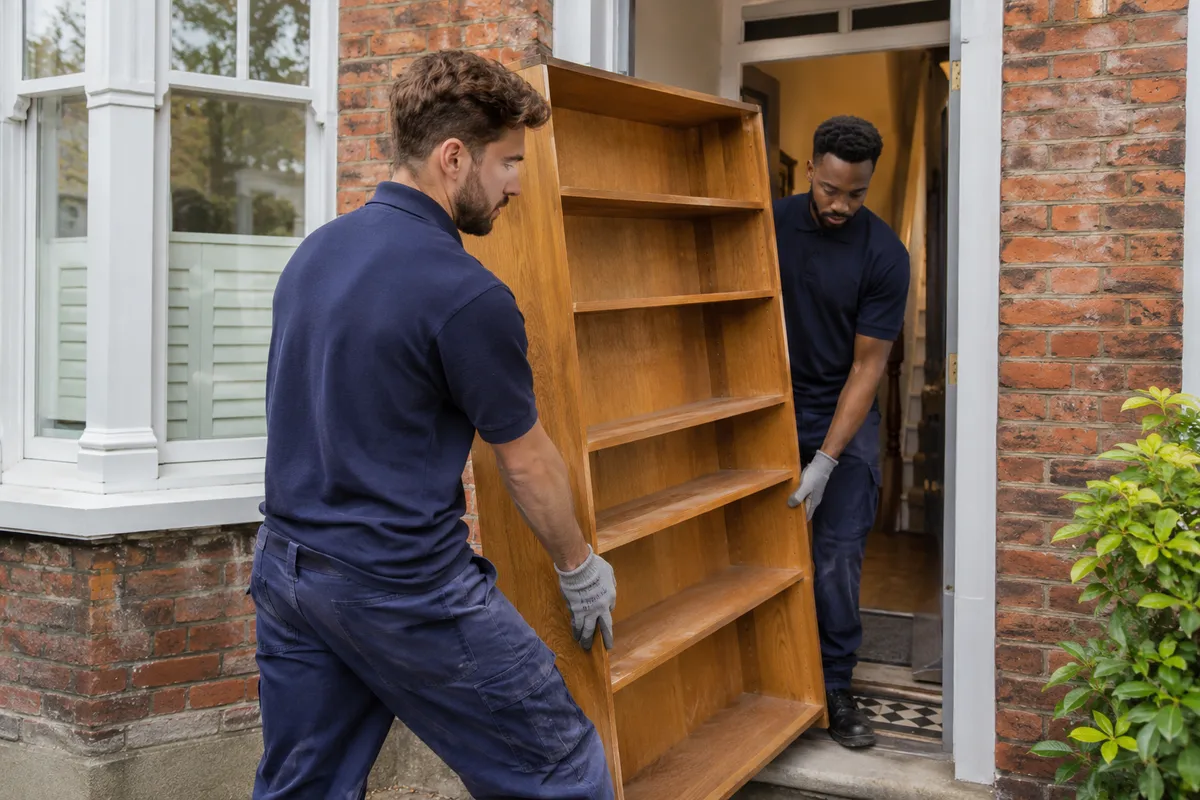
Junk Please collects unwanted items from Islington homes and business premises. We organise the service around the waste types, the space being cleared and the access at your address, with a clear enquiry before carrying and loading begin.
- Carrying and loading included
- A clear quote before work begins
- Licensed and insured waste carrier
COVERAGE & CONTENTS
Local collection, material by material
We cover Islington within our London service area. The map locates the neighbourhood, not a branch address. For nearby London collections, use the coverage page and tell us the actual postcode; each visit is arranged around the property and materials.
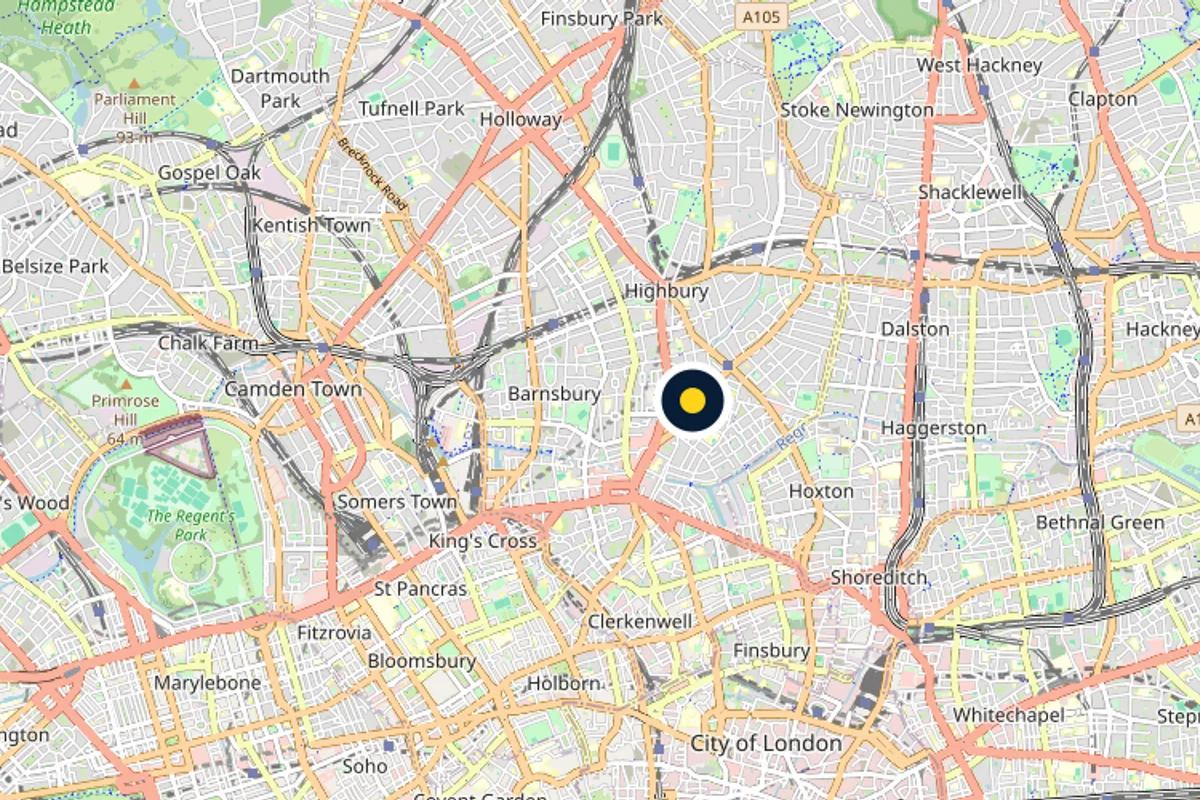
Map data © OpenStreetMap contributors. Marker: Islington locality; not an office or service boundary.
One local enquiry, several distinct waste streams
An Islington clearance can contain much more than one category of rubbish. Furniture may be leaving with boxed belongings, a shop may have both packaging and redundant displays, or an office may be replacing desks alongside electronic equipment. We ask you to identify those groups because the contents determine the collection and how it is quoted. The address establishes where the work takes place; it does not tell us what every bag contains. We discuss the materials, approximate amount and property access together. That gives the visit a defined scope without pretending that all mixed loads are identical. If only one piece needs removing, describe it on its own. A small enquiry still benefits from knowing the item, its location and its route out.
Home contents
Business waste
Outdoor materials
- Separate furniture, bags, electronics and dense debris
- Identify unwanted contents inside storage units
- Explain shared entrances and managed access
- Keep retained business equipment outside the removal list
- Raise unknown or potentially hazardous material before booking
Household belongings and furniture have different descriptions
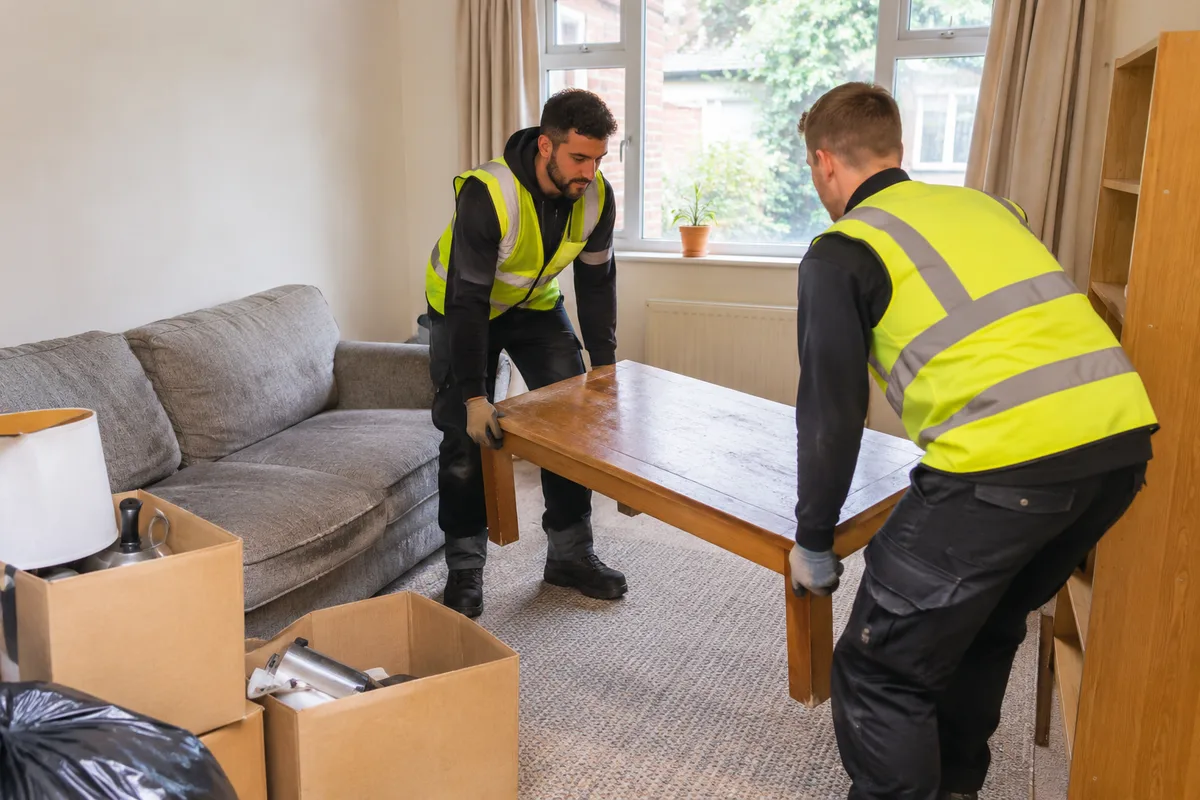
For a flat or house, we distinguish the furniture itself from loose belongings stored around or inside it. An empty chest of drawers, a chest full of unwanted contents and a pile of separate boxes are three different descriptions of the work. Tell us which is accurate for your property. We can discuss selected items or a larger house and flat clearance without assuming that everything in a room should leave. Name mattresses and bulky upholstered pieces, and explain whether assembled furniture needs further work before it can pass through the exit. The floor, stair route and shared entrance also matter. Our team handles the agreed carrying and loading, while the enquiry establishes exactly which possessions belong to that agreement.
| Material group | What we need to distinguish | Applicable service |
|---|---|---|
| Household contents | Furniture versus loose belongings | House and flat clearance |
| Shop contents | Displays, stock and packaging | Shop clearance |
| Workplace items | Furniture versus electronic equipment | Office clearance |
| Outdoor materials | Green waste versus soil, rubble or timber | Garden waste collection |
Commercial collections need a material list too
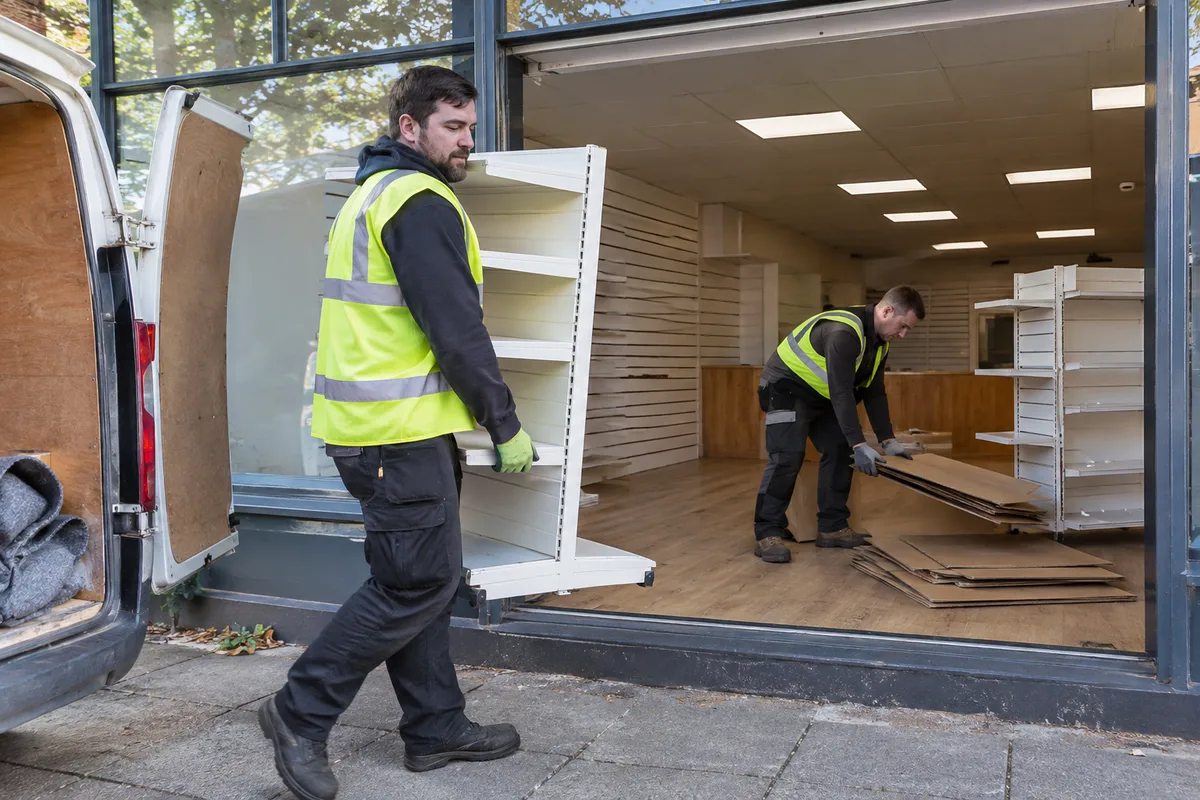
Islington Council’s local planning material identifies Angel as a town centre, with commercial activity around the locality. For our service, a business address still needs its own collection description rather than a generic promise to clear every kind of premises. We discuss desks, office seating, cabinets, freestanding shop displays, redundant stock and packaging through the relevant services. Explain whether the business remains open and who can identify the unwanted items. Electrical equipment should be listed separately from furniture, and any information-security requirement must be raised explicitly. Ordinary clearance does not automatically provide certified data destruction. The council’s Angel town-centre context supports the local reference; it does not imply that we occupy an office or have completed a particular project there.
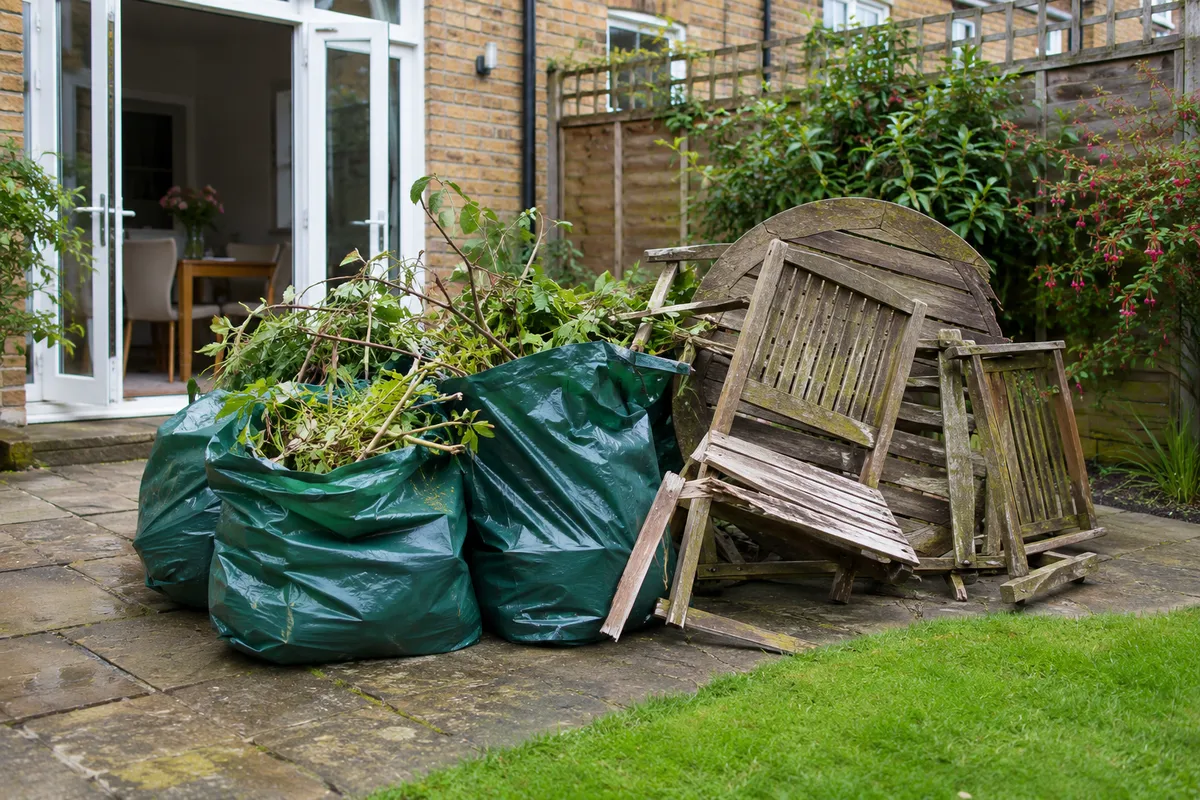
Garden collections begin with what is in the pile
Our garden waste service can cover branches, cuttings and other agreed outdoor contents. We ask what else is included before treating a mixed garden pile as green waste. Broken timber furniture, soil, old paving and rubble need separate descriptions because their material and weight differ. Tell us whether the waste is bagged, bundled or loose and how it is reached from the property entrance. A small garden can still have a carrying route through the home or a controlled shared gate. We need that information alongside the waste list. We do not assume that taking away cuttings includes pruning trees, landscaping or unrelated garden work. The collection concerns the materials and loading agreed in the enquiry.
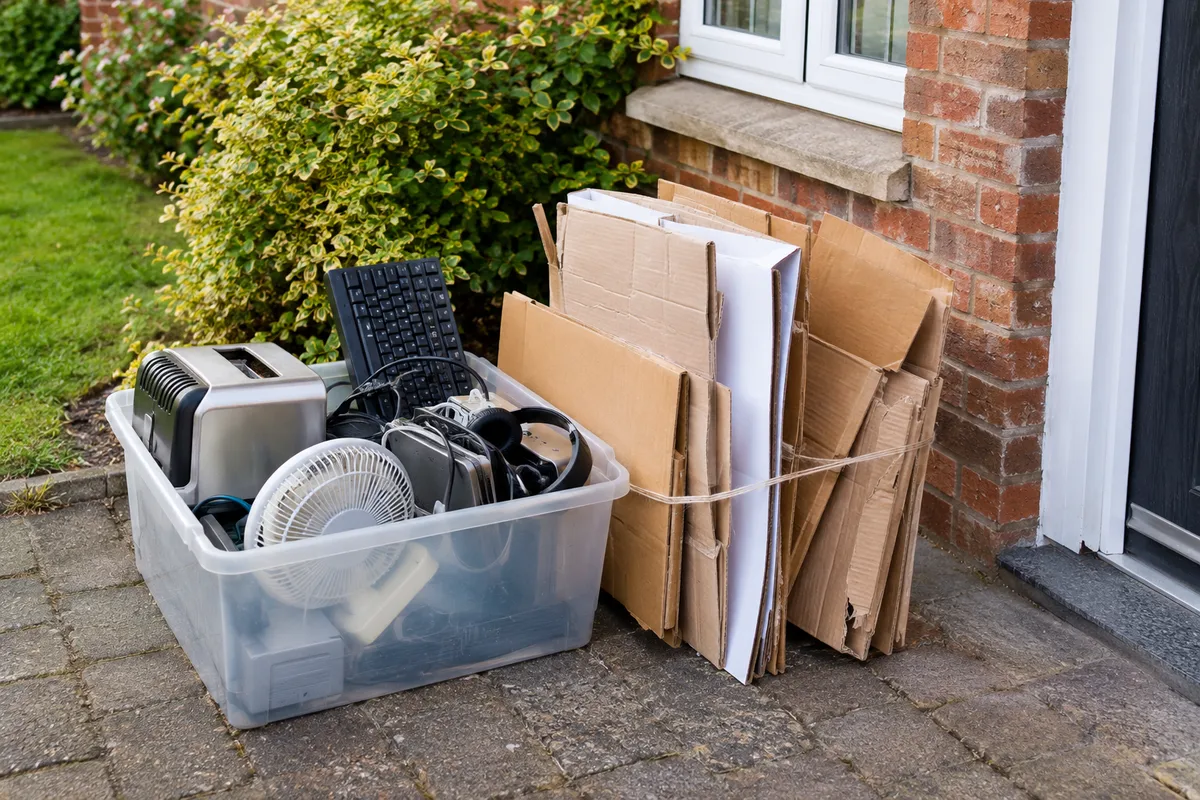
Renovation debris and electrical equipment need their own detail
Builders waste should be described by material, not only by the number of bags. Timber, plasterboard and dense rubble present different loads. Where a refurbishment leaves both building debris and old household items, explain each part rather than calling the whole collection furniture removal. Appliances and electronic equipment also need to be named: a refrigerator, washing machine, computer monitor and box of cables are not interchangeable. Identify anything that remains connected or fitted into a unit, because collection does not automatically include electrical or plumbing work. Unknown substances and potentially hazardous waste must be raised before booking. We confirm the proposed contents rather than relying on an unrestricted promise to take everything found at the property.
| Waste or item | Collection information | Restriction or separate requirement |
|---|---|---|
| Electrical equipment | Name each equipment type | Disconnection and data-security work are not assumed |
| Building debris | Give the materials and approximate amount | Do not conceal heavy debris in a general bag count |
| Furniture | Describe size, condition and location | Discuss dismantling where needed |
| Unknown substances | Identify containers and contents before booking | Acceptance must be checked in advance |
A mixed-use example without an invented case study
Consider a small Islington workplace clearing freestanding shelving, chairs, flattened cartons and a few computer screens. This is a possible collection scenario, not a description of a real customer job. We would establish which shelves are empty, which items remain in use and how the equipment is reached. The screens would be listed as electronics, while cardboard and furniture would be described as separate groups. If the premises share an entrance with flats, that access arrangement belongs in the enquiry too. We would then discuss the load, carrying route and any relevant supplements before agreeing the collection. If attached fittings or further stock are added, the scope needs another discussion instead of assuming that the first description authorised a complete commercial strip-out.
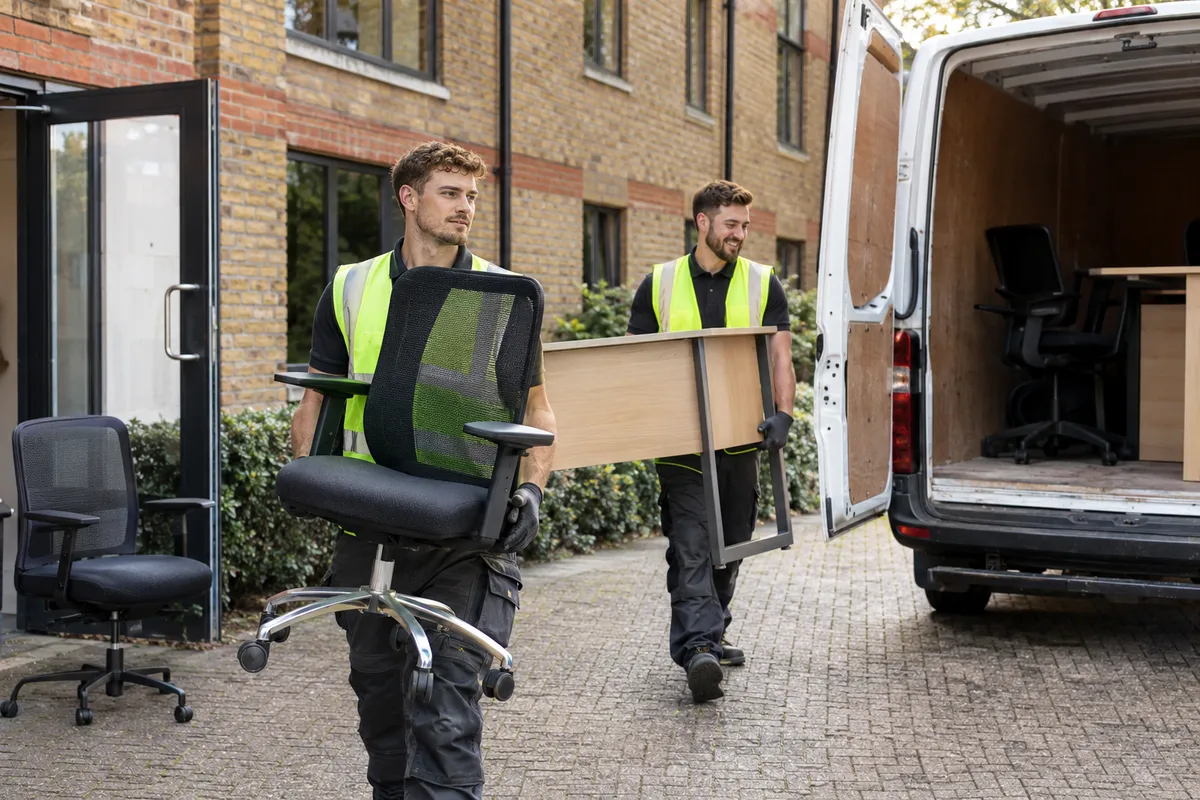
Address details turn coverage into a workable visit
Islington is part of our London coverage, but an area name alone cannot confirm the access or appointment for a specific building. We ask for the complete postcode, property entrance and location of the unwanted items. Explain any stairs, gate controls, managed loading point or keyholder arrangement. Where a public street is the proposed loading location, describe the available position and raise any restrictions rather than assuming that the nearest space is usable. We do not publish invented local loading exemptions, arrival routes or fixed response times. A same-day request can be discussed against availability once the job details are known. The purpose of the local enquiry is to connect your address with a defined collection, not to imply that every Islington property has the same practical conditions.
Connect the address with a clear collection scope
01
Identify material groups
Put the waste into clear material groups.
02
Locate the property
Describe the property and the carrying route.
03
Agree the collection
Discuss the scope, availability and quote.
04
Remove specified items
We load the specified items for onward handling.
| Stage | Your property information | Our collection discussion |
|---|---|---|
| Initial description | Postcode, contents and premises type | Identify the relevant waste services |
| Practical scope | Entrances, floors and possible loading point | Discuss the carrying and loading |
| Price agreement | Amount, materials and extra requirements | Confirm the full quote before work |
| Removal | The agreed unwanted contents | Carry, load and take away for responsible handling |

Agreeing the quote and the onward handling
We discuss the collection price using the amount, materials and work involved. Our current price guide contains starting bands and applicable additional charges; it should be read alongside the description of your actual load. Identify mattresses, electrical pieces and heavy material, and raise extra work before the visit is agreed. We do not invent a separate Islington tariff or promise that an initial quantity estimate covers any later additions. After carrying and loading, the waste is taken away for responsible handling, with reuse and recycling wherever possible. Different materials may need different treatment, and the suitability of furniture for reuse cannot be guaranteed simply from its category. We avoid unsupported percentages or a claim that every collected item is recycled. The agreed scope remains the basis of the service through to completion.
See the current collection price guide, then confirm your complete quote with us. No separate Islington tariff is implied.
Coverage beyond the immediate address
For London and M25 collection enquiries, see the coverage directory. We publish links only to available local pages. Give us your complete postcode to discuss the property; we do not use this map as a boundary or claim a local depot.
COLLECTION QUESTIONS
Islington removal enquiries: questions answered
Can a small Islington business request furniture and electronics together?
Yes, describe the furniture and each type of electrical equipment separately. Explain what is redundant and what stays in use. We discuss the complete load and any material-specific requirements; ordinary clearance should not be treated as a promise of certified data destruction.
Why should renovation bags be described by material?
A bag of light packaging and a bag of dense rubble represent different loads. Tell us whether the debris contains timber, plasterboard, rubble or other materials and give the approximate amount. This makes the enquiry more useful than a bag count alone.
Can you remove just a sofa from an Islington flat?
A single-item enquiry is welcome. Give the sofa size, floor and route through the building, including stairs or doorway limitations. If it needs taking apart to leave the flat, raise that requirement before the collection scope and price are agreed.
Does a garden collection include cutting back plants?
Describe the waste already requiring collection and any additional work separately. Removing branches and cuttings does not automatically include pruning, landscaping or garden maintenance. We agree the materials and carrying route so the visit has a clear waste-removal scope.
Can you confirm a slot using only my Islington postcode?
The postcode is a starting point, but we also need the contents and access details to discuss a workable collection. Availability, the material mix and the carrying requirements matter. Same-day requests remain subject to availability rather than being guaranteed by the area name.
Will you take unlabelled containers from a commercial storeroom?
Describe any unidentified containers or potentially hazardous substances before arranging the collection. General business clearance does not establish acceptance of every material. We need to discuss the contents and any restrictions in advance rather than discover an unknown substance among the agreed furniture and packaging.
All generated photographs on this page are illustrative service scenes. They do not document jobs in Islington.
Discuss your Islington collection
Call +44 20 3404 3985 with the collection postcode, item list and property details. We will discuss the scope, available arrangements and quote before work begins.
Services for your Islington enquiry
Furniture disposal · Rubbish collection · House and flat clearance